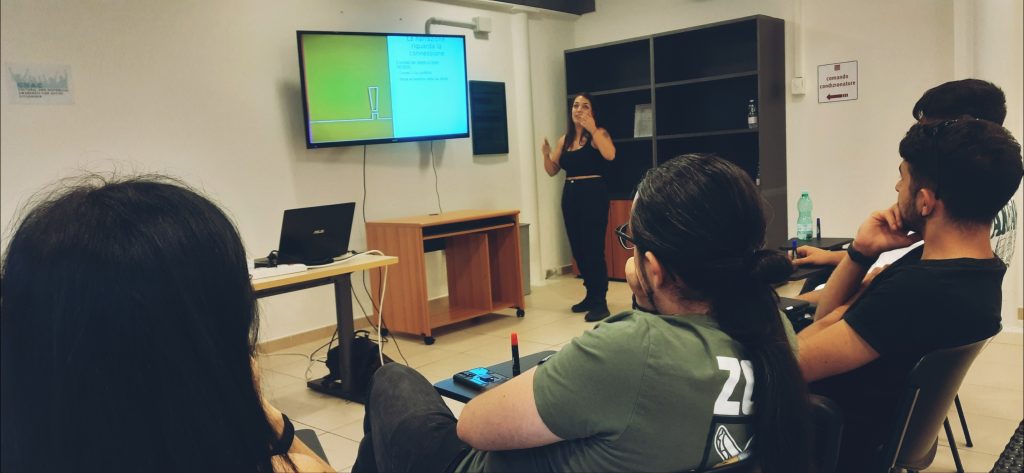
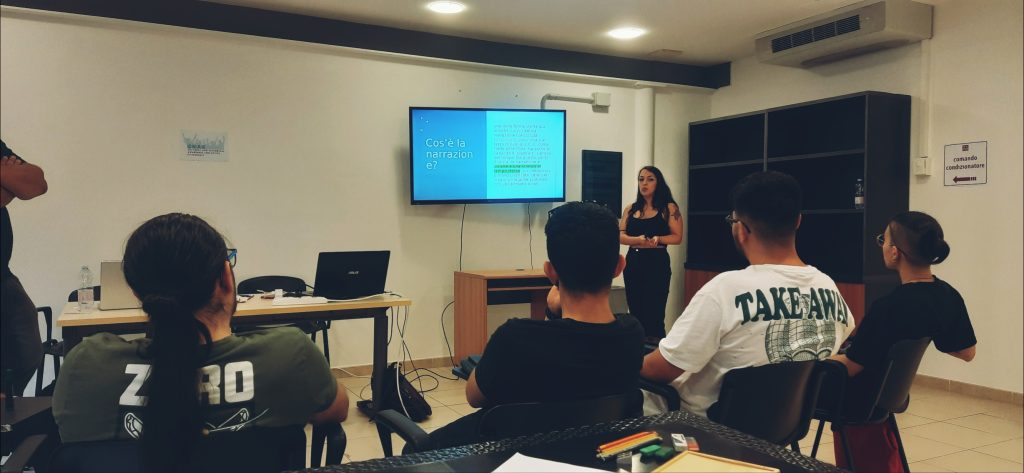
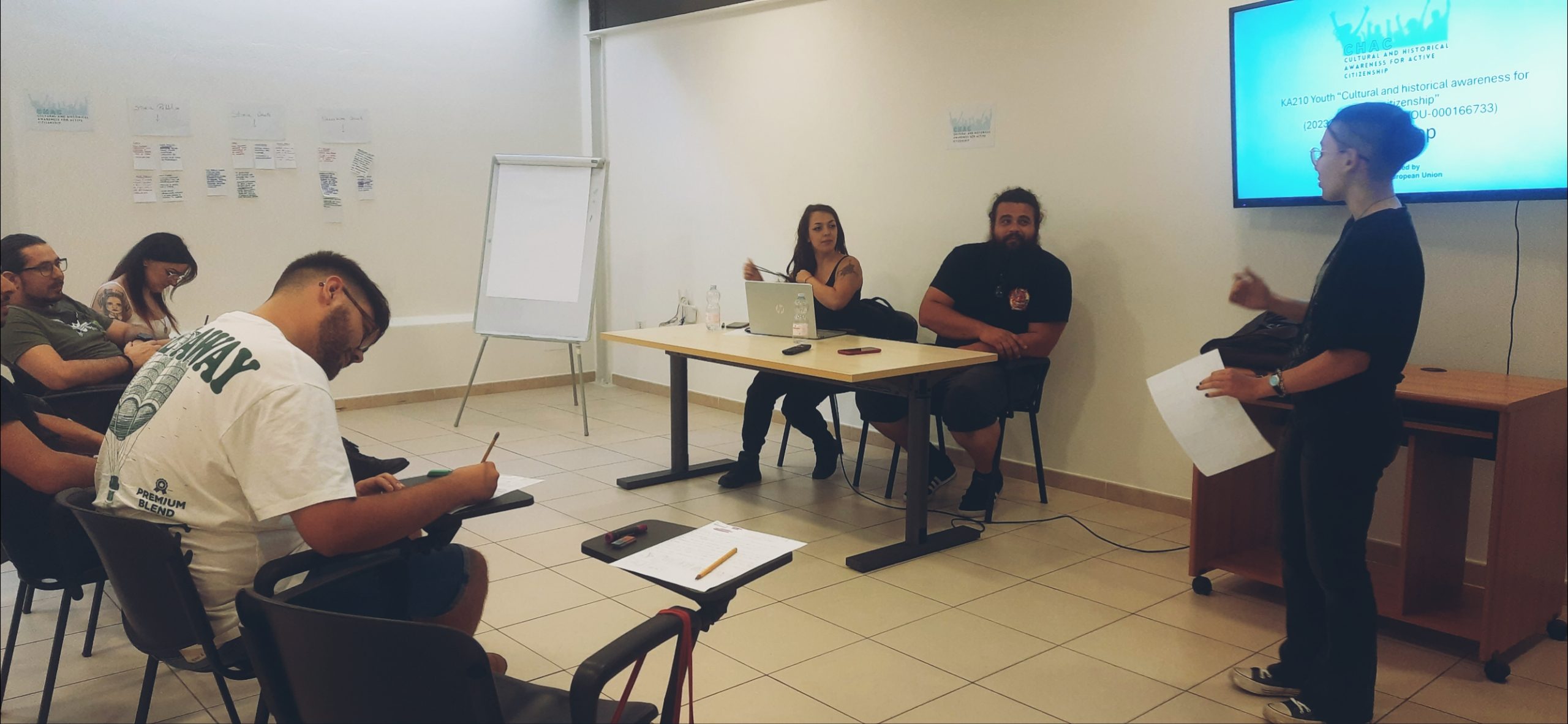
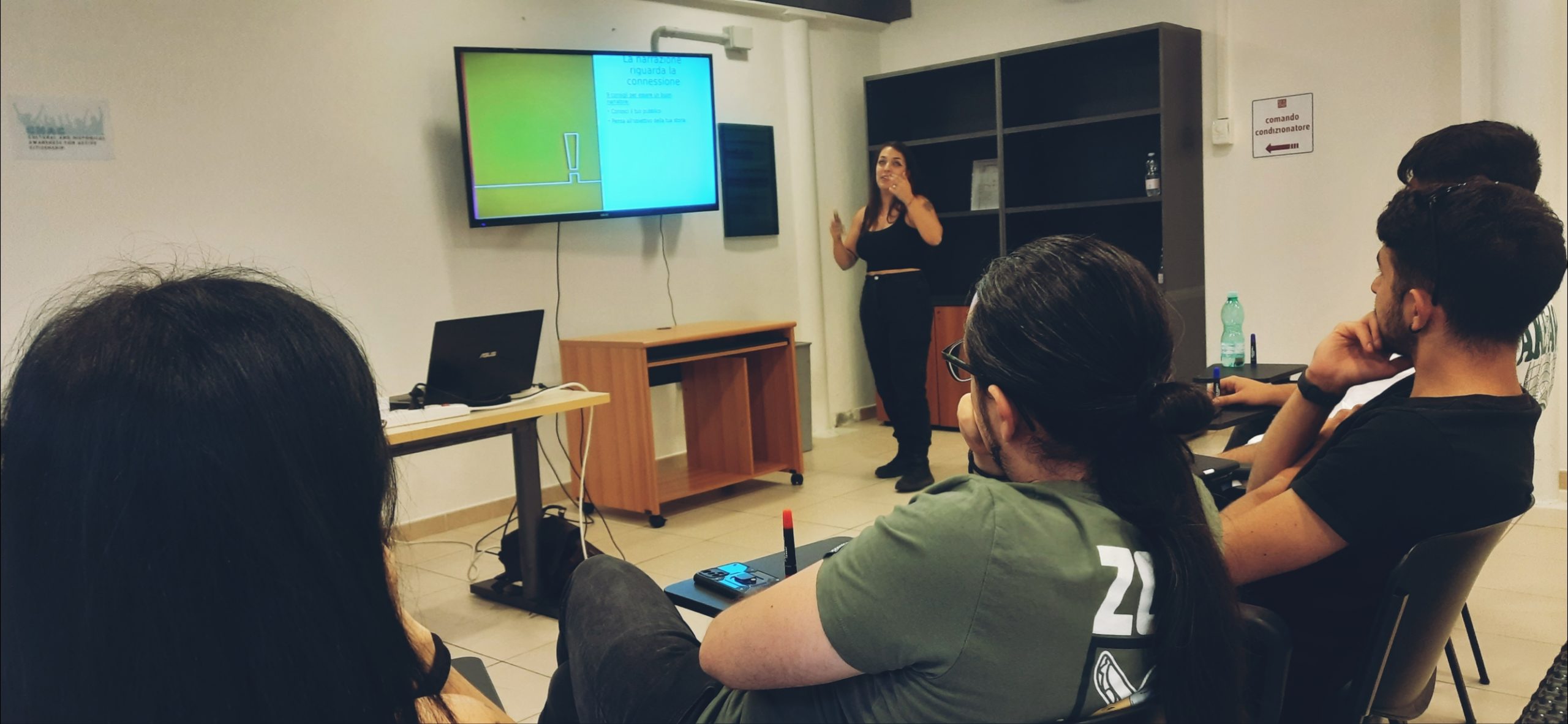
Over two online sessions in June 2024, six educators (two per partner) were trained on how to employ a set of methodologies related to public history, oral history, social storytelling, community reporting, and on the Notion platform.
MEETINGS
Kick-Off Meeting, Vienna, AT, 24.1.2024
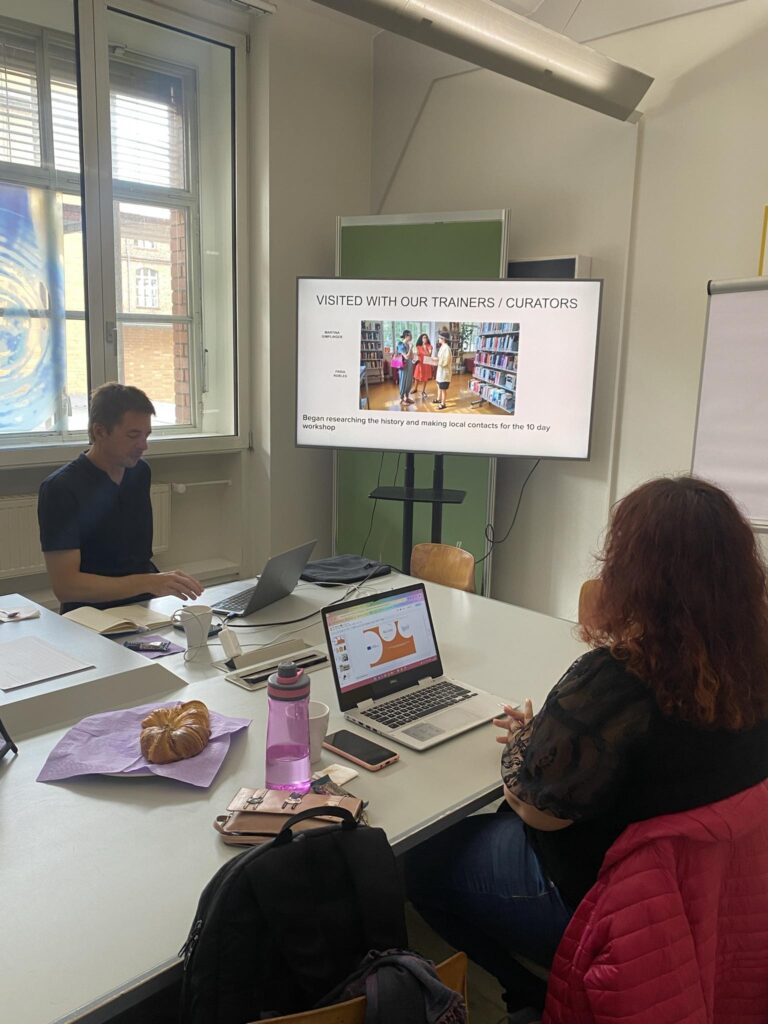
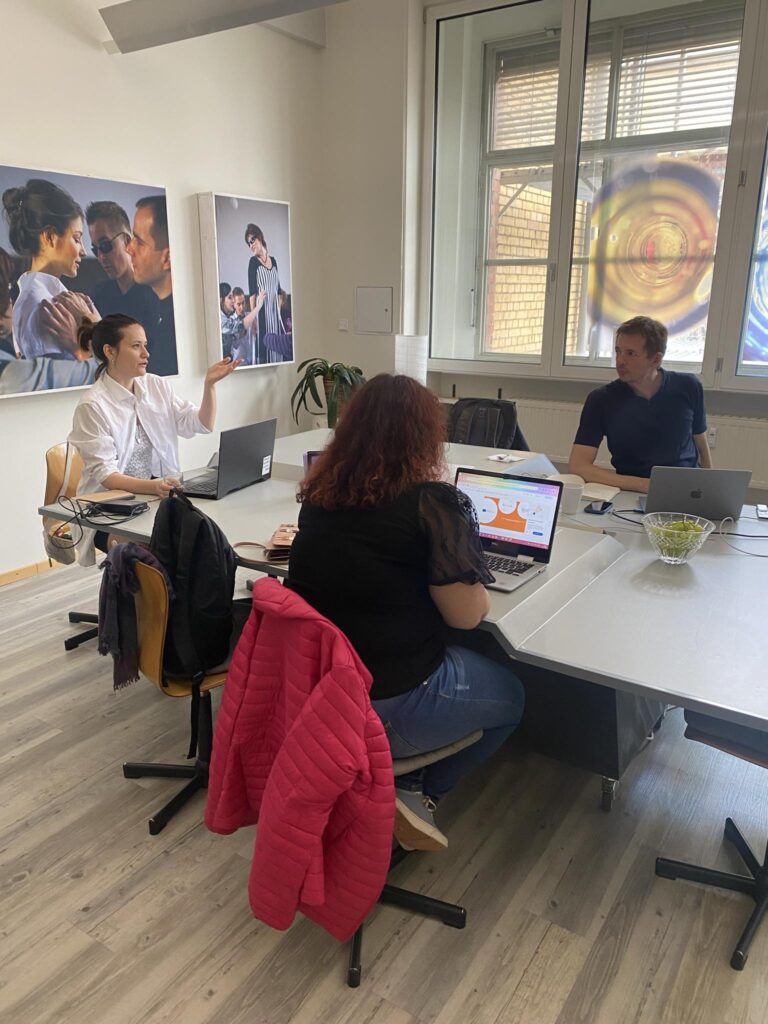
The kick-offmeetingfor CHAC tookplace in Vienna, Austria, on the 24th ofJanuary 2024. Partners mettodiscussthemilestones and stepsofimplementation, fromresearchtotrainingtodissemination.
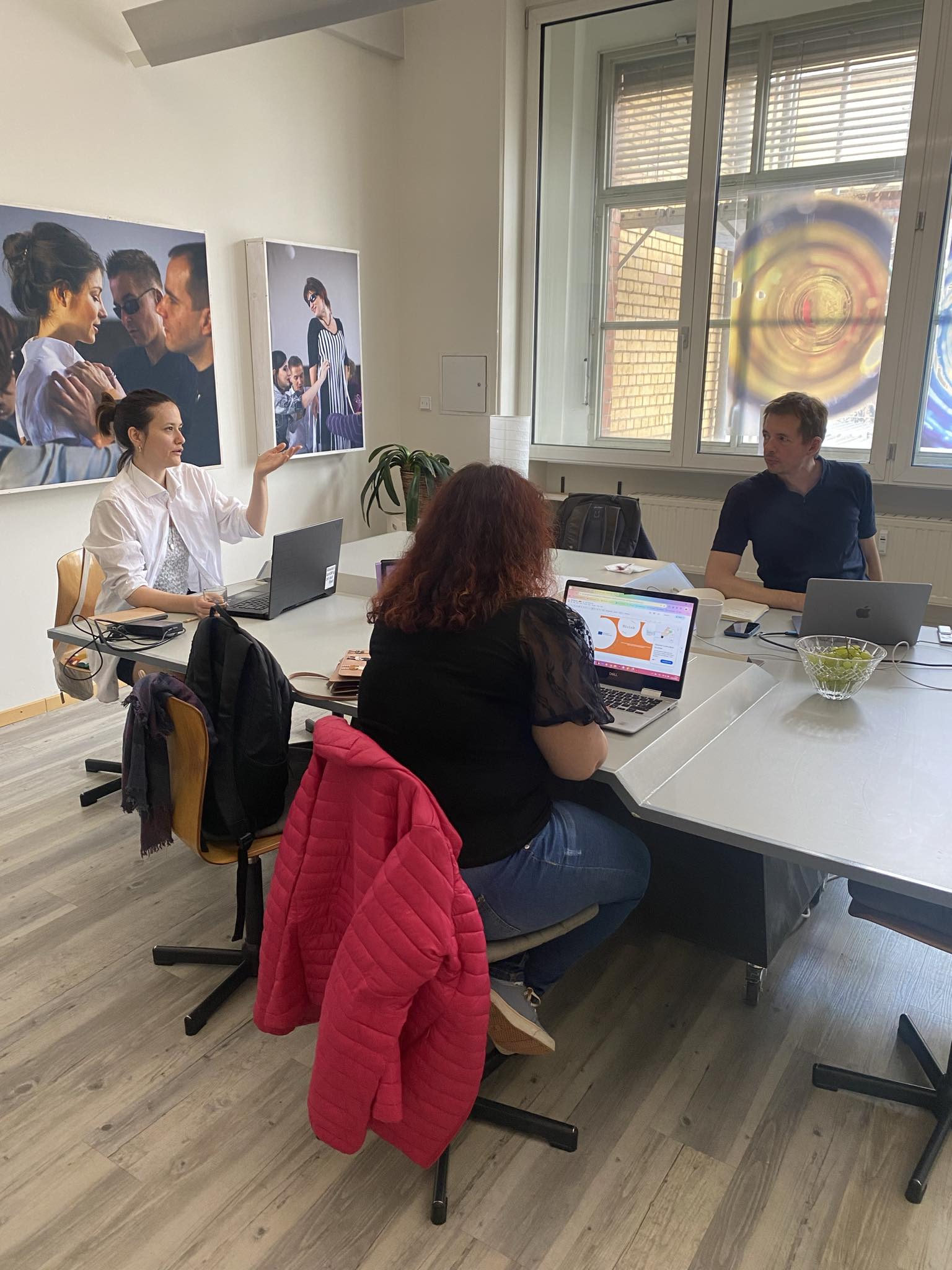
The Final Evaluation Meeting for CHAC tookplace in Berlin, Germany, on the 24th ofJuly. Partners discussedtheirachievements at thelocal and international level. Efforts culminated in threeexhibitions on historical and culturalmatters in a communitycontextinvolvingyouthfromItaly, Austria and Germany.
X-Arts decided to focus the project and oral history workshop on Vienna’s 16th district (Ottakring). A municipal housing complex with originally 1,587 apartments, built in five stages between 1924 and 1928 as part of the housing policy of “Red Vienna”. Today, it houses a vibrant and diverse community, with residents from all backgrounds – which is why we selected the location for our field research.
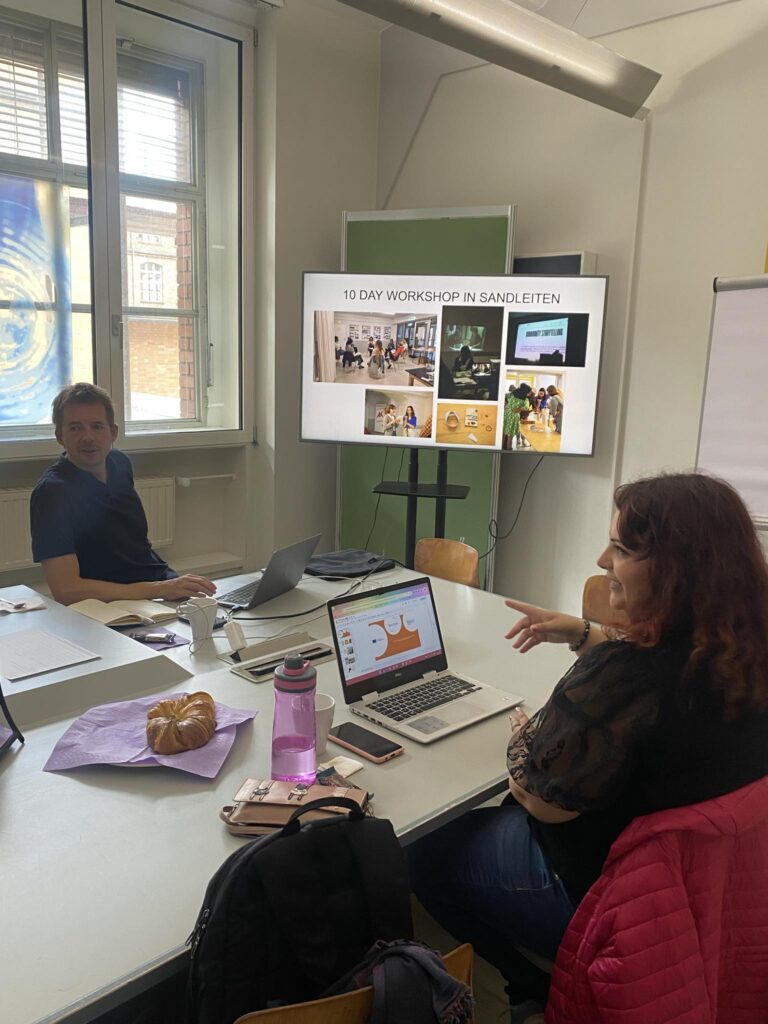
SOHO Studios SOHO Studios opened their doors for us, and we spend 10 days researching and documenting the history and current state of the Sandleitenhof (16th district). The participants engaged with local community members and conducted local history research. Through interviews and exchanges, they collected stories, visual materials, historical documents etc. on the Sandleitenhof: it’s past, present, future.
Exhibition of initial results 10 days of research and exploration culminated in an exhibition of the initial research.
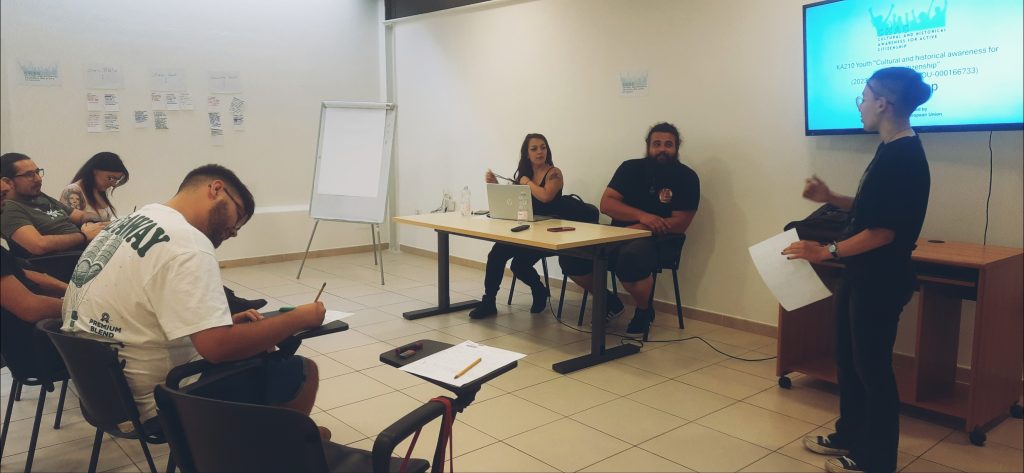
The local workshops in Nuoro were not hosted in just one location. For the first two days of training and some interviews, EduLab rented a room at the old civic market, which symbolically represented a place of meeting, exchange and history. Other interviews were recorded at the city theatre, while others were recorded directly at the homes of the interviewees. Finally, some of the days, especially those dedicated to the creation of artistic items, took place outdoors.
Exhibition of initial results 10 days of research and exploration culminated in an exhibition of the initial research.
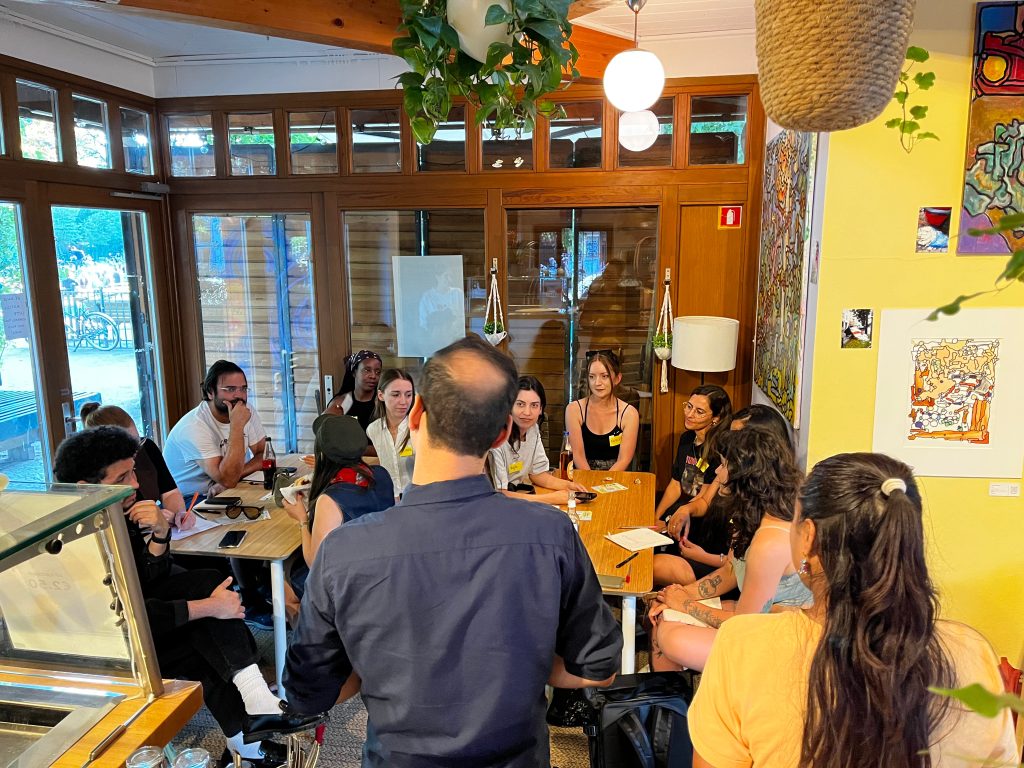
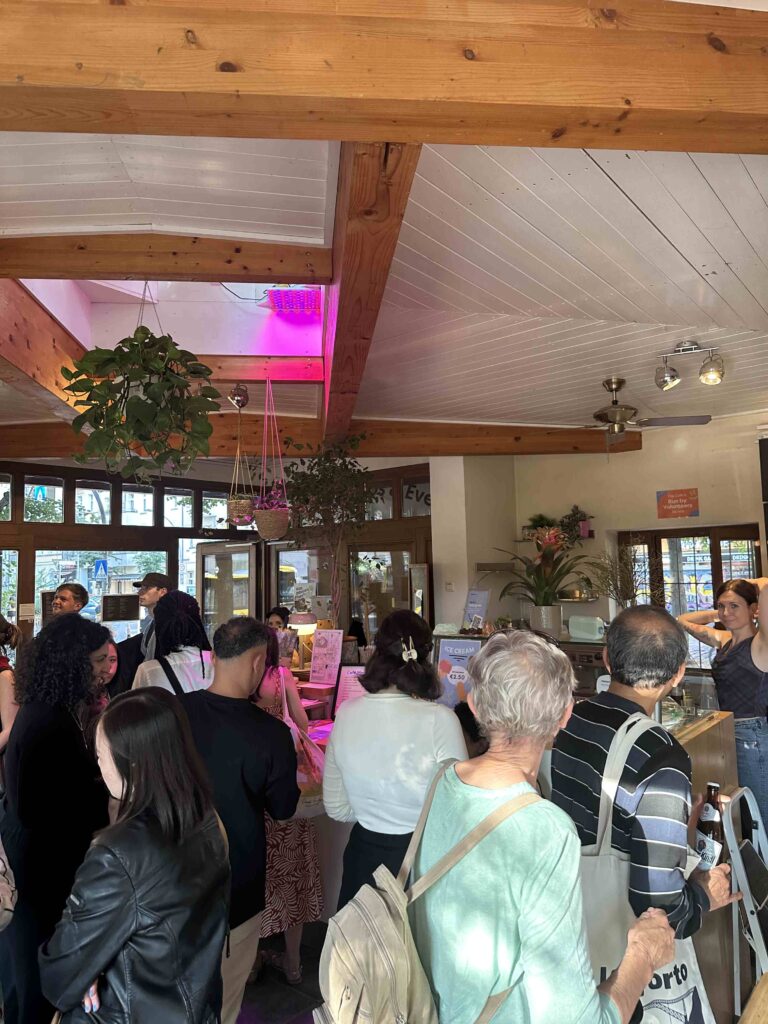
In Berlin, NEST chose the community space of the Pavillon No. 52 in Berlin-Friedrichshain as the central place for the workshop activities as well as the exhibition. This vibrant multicultural district with many nationalities living here or being affiliated with the community pavillon matched well with the project’s objectives of addressing cultural and historical awareness in local and global contexts. For our workshop here we collaborated with ForEveryone, the organisation running the pavillon space and maintaining a wide network of youth and volunteers from diverse backgrounds.
Participants engaged in resident interviews, gathered personal narratives, photographs, art works and private collections. This multi-perspective approach then led to our exhibition Unheard Stories that reflected the diverse and often marginalized voices among Berlin’s young population today, introducing them to a wider local audience.
Exhibition of initial results 10 days of research and exploration culminated in an exhibition of the initial research.
EXHIBITIONS
Naheliegende Geschichte(n): A Resonant Finale to the CHAC Project (Vienna, Austria)
Naheliegende Geschichte(n) marked the emotional and meaningful conclusion of the CHAC project. Hosted at Soho Ottakring in Vienna, the exhibition brought to life the often-overlooked stories of Sandleitenhof’s residents through a multi-sensory experience grounded in oral history, memory, and place.
Curated by Martina Gimplinger and Frida Robles, the exhibition featured a range of artistic works developed through months of research and collaboration. From Lydia Baumgarten’s immersive installation to Pavel Naydenov’s reflections on political memory, and from Stella Konietzka’s life-sized portraits to Angelika Ginzburg Gurov’s guided walk retracing the area’s Jewish history, each contribution added a unique layer to this living archive.
Naheliegende Geschichte(n) celebrates storytelling as a transformative tool—where spoken stories live on, evolve, and shape our shared memory.
From 4 to 12 April 2025, the TEN Gallery of the Eliseo Theatre of Nuoro hosted the exhibition “Nuoro, Stories of ties, encounters and journeys”.
The exhibition was set up as an itinerary for visitors. Starting with an infographic on the CHAC project, visitors were accompanied through the works of the participants, in a succession of stories expressed through comics, drawings, poems, and photos. In addition, the digital oral archive of interviews collected during the workshops was made available. Some visitors in fact had the pleasure of enjoying the participants’ works while listening to the interviews from the archive.
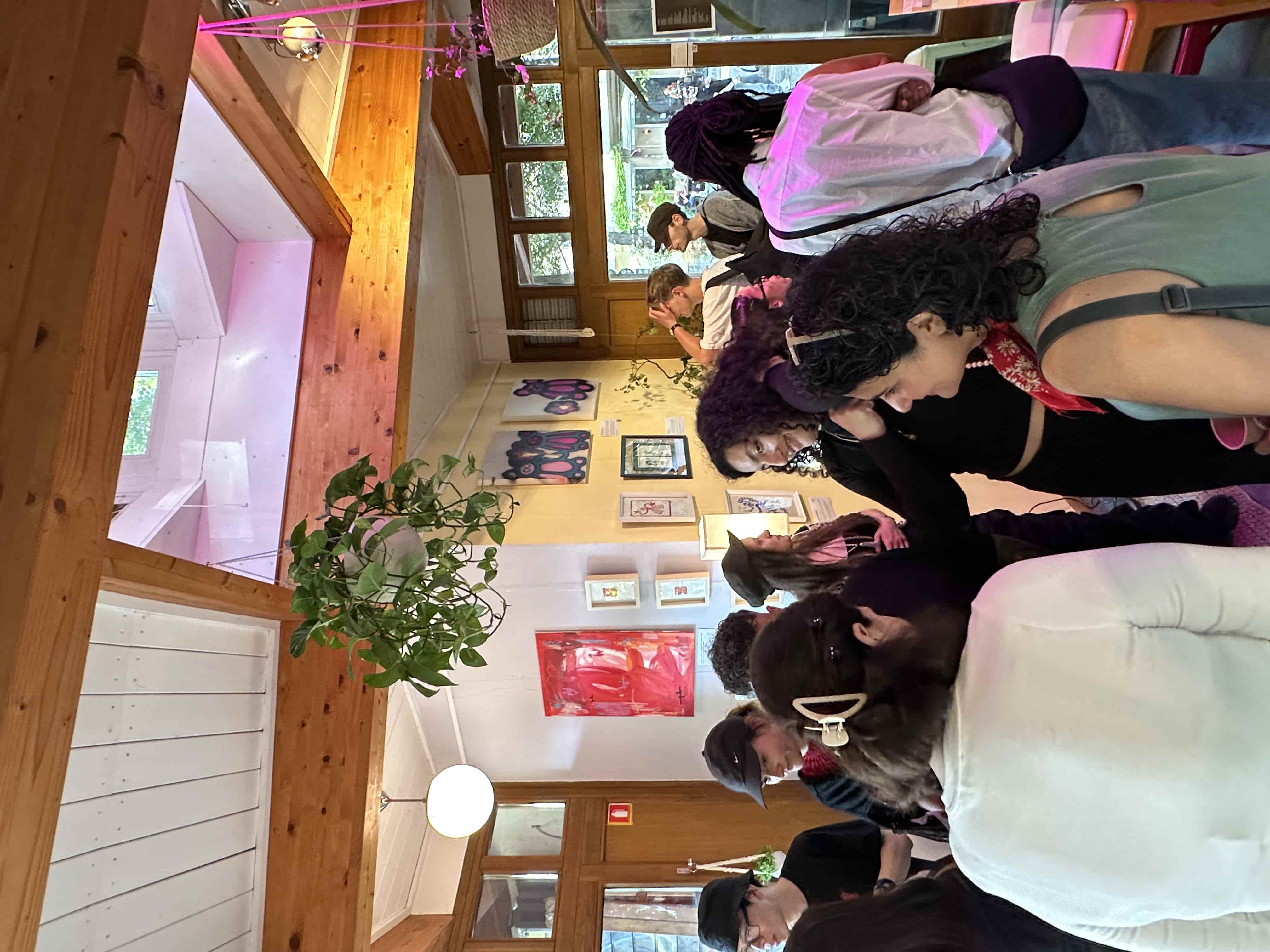
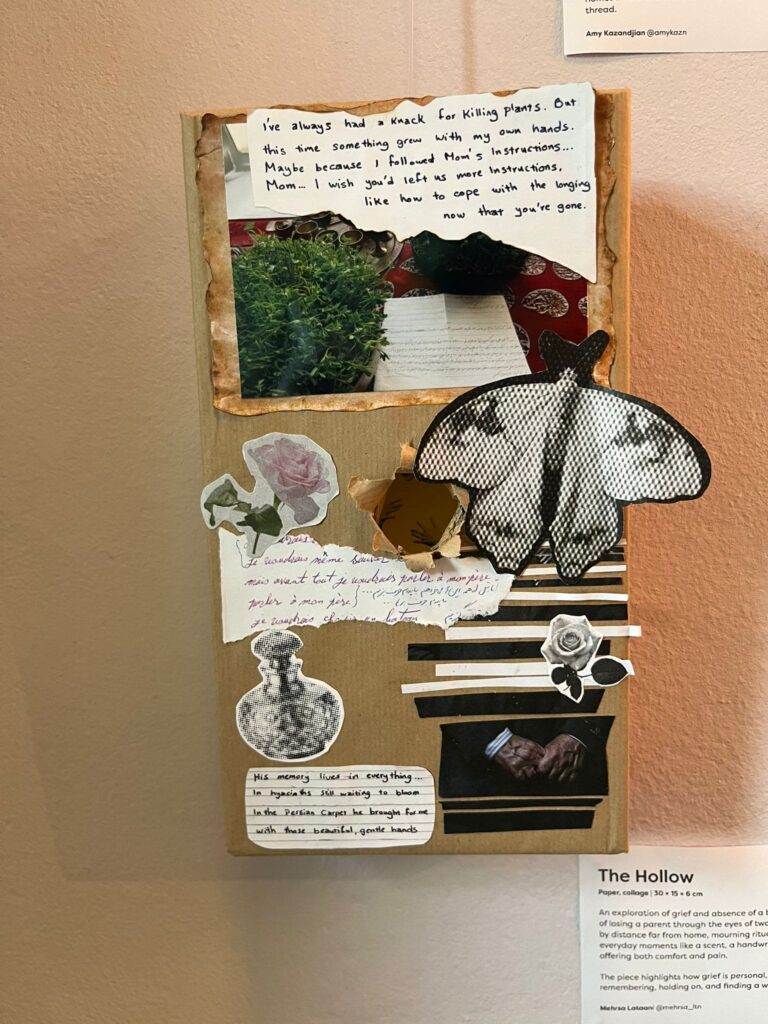
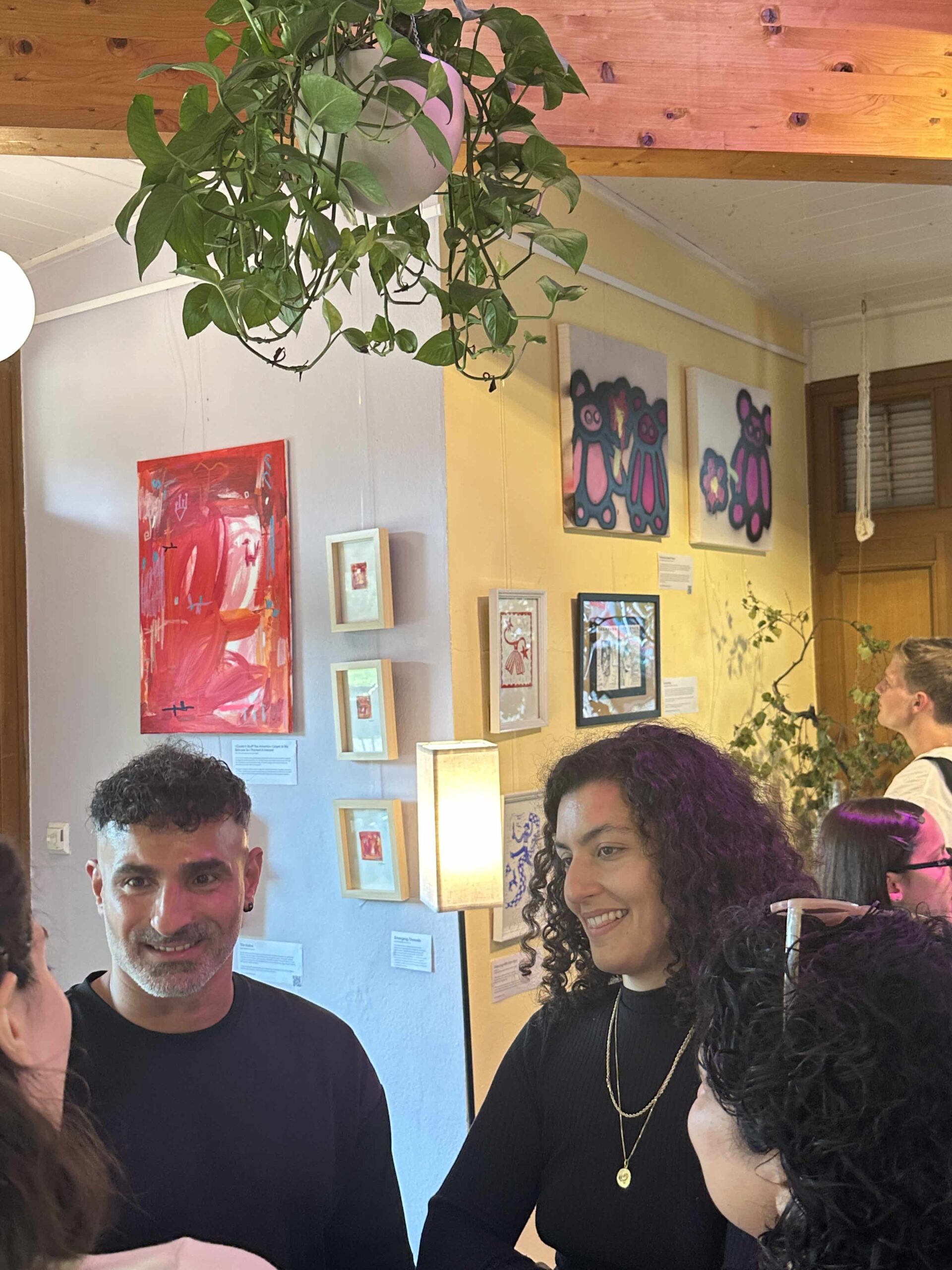
The group exhibition UNHEARD STOIRES at the No. 52 Pavillon in Berlin brought together the works of more than 10 Berlin-based creatives who’ve been exploring real, personal, and cultural stories through mixed media. From spraypainted paintings to little handwritten poems, unearthing stories you may not have heard before. All shared through photography, sound, illustration, video, text, and more!
The exhibition highlighted how cultural experience, oral history, and social storytelling can promote active citizenship and social awareness across different communities. The Boxhagener Platz next to the No.52 pavillon is a vibrant and diverse community space, making the neighbourhood and district of Friedrichshain a junction of many lives and realities. The artists in the exhibtion share different origins and different cultural backgrounds, while addressing topics such as identity, migration or belonging. The stories made to be heard in the exhibition might be based on the participants’ personal experiences and memories, or on investigative work in the communtiy, yet they all shed light on the question of historical and cultural awareness in Berlin and beyond.